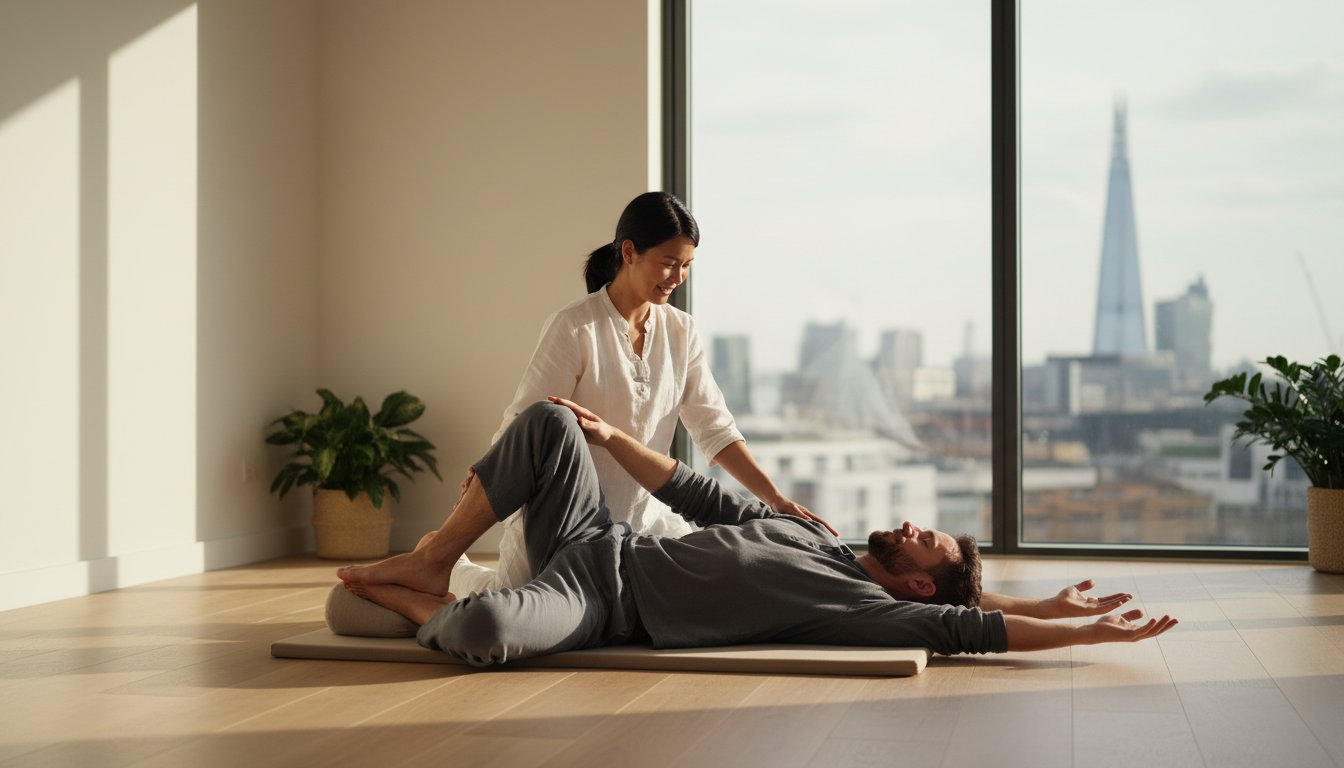
What if the tension tightening across your shoulders right now isn’t just a sign of a long week, but a call for a 2,500-year-old remedy that reaches far beyond the surface of the skin? You’re likely familiar with the heavy toll of the London commute and the persistent ache of “tech neck” that follows eight hours at a desk. A 2023 health survey revealed that 68% of city professionals experience high levels of work-related stress; it’s a physical weight that often feels impossible to shed. You deserve a moment of genuine stillness that lingers long after you’ve stepped back onto the pavement. By exploring the rhythmic art of traditional thai massage, you’ll discover how this ancient practice can restore your natural flexibility and dissolve mental burnout through a bespoke blend of assisted yoga and deep acupressure.
In this guide, we’ll walk you through the rich heritage of these therapeutic techniques and show you how to identify an authentic sanctuary where the city’s noise finally fades into total tranquility.
Key Takeaways
- Discover the 2,500-year-old heritage of Nuad Thai and how this UNESCO-recognised healing art serves as a restorative sanctuary for modern Londoners.
- Learn how traditional thai massage utilizes rhythmic compression and “lazy yoga” stretches to clear energy blockages along the body’s vital Sen lines.
- Understand the essential differences between Thai and Swedish techniques, including why this oil-free treatment over loose clothing offers a more active path to physical realignment.
- Master the etiquette of an authentic session, from choosing the correct breathable attire to identifying a truly qualified practitioner in the heart of the city.
- Uncover how to find a genuine urban refuge that balances ancient wisdom with professional expertise to provide a bespoke journey toward holistic well-being.
What is Traditional Thai Massage? An Ancient Sanctuary for Modern Londoners
Step away from the frantic pace of the Underground and into a space where time feels suspended. Traditional Thai massage, known formally as Nuad Thai, represents far more than a simple afternoon of pampering. It is a 2,500-year-old healing art that earned its place on the UNESCO Representative List of the Intangible Cultural Heritage of Humanity in December 2019. This recognition highlights its status as a sophisticated medical discipline rather than just a spa treatment. Its lineage is traced back to Jivaka Kumar Bhaccha, a celebrated physician in ancient India who served as the doctor to the Buddha. Today, his legacy lives on in the rhythmic, intentional movements that define every session.
The practice is a unique fusion of multiple healing traditions. It blends the targeted pressure of Chinese acupressure, the energetic balancing of Indian Ayurvedic principles, and the physical elongation of Hatha yoga. Unlike Western styles that rely on oils and long, sliding strokes, traditional Thai massage is performed on a firm mat on the floor. The therapist uses their hands, knees, elbows, and feet to guide your body into deep, assisted stretches. It is a collaborative dance between the practitioner and the guest, designed to unlock tension that has sat dormant for years.
In the specific context of London life, this therapy serves as a vital counter-measure to urban exhaustion. The physical toll of a 45-minute commute on the Central Line or a 10-hour day hunched over a laptop in the City manifests as rigid shoulders and a clouded mind. This ancient practice offers a sanctuary where the persistent hum of the city is replaced by a restorative silence. It addresses the “London back” and the “tech neck” with a precision that passive relaxation cannot match, providing a necessary reset for both the physical frame and the nervous system.
The Core Philosophy: More Than Just a Massage
The heart of this practice lies in a holistic view of human health. Practitioners don’t see the body as a collection of isolated muscles but as a complex network of energy pathways called “Sen” lines. Traditional theory suggests there are 72,000 of these lines, though therapists focus on the ten primary channels to restore the flow of vital energy. This philosophy has transitioned seamlessly from the historic temples of Thailand to high-end London therapy rooms. It offers a sophisticated approach to wellness where the goal is to balance the body’s internal wind, or “Lom,” ensuring that physical and emotional blockages are gently cleared through rhythmic compression.
Why Traditional Thai Massage is Trending in 2026
As we move through 2026, the wellness market has seen a 22 percent increase in demand for “functional wellness” among UK professionals. People are moving away from superficial pampering and toward active recovery that yields long-term results. Londoners now prioritize authentic Thai culture because it offers a “lazy man’s yoga” experience, allowing for intense flexibility work without the personal exertion of a gym class. This shift toward intentional, culturally rooted therapy reflects a desire for deeper meaning in self-care. It isn’t just about feeling better for an hour; it’s about investing in a body that can withstand the pressures of a high-performance life in the capital.
The Mechanics of Healing: Sen Lines, Stretching, and “Lazy Yoga”
London’s pace can be relentless, often leaving your body feeling like a coiled spring after a long week in the City. Traditional Thai massage serves as a vital sanctuary from this urban pressure, utilizing a healing system that dates back over 2,500 years to the time of Shivago Komarpaj. At its core are the 10 major Sen lines, which are the invisible pathways of life force known as Lom. Sen lines are the meridians of Thai medicine that facilitate the flow of vital energy throughout the human frame. When these channels are obstructed by the 9 hours we spend hunched over desks or the repetitive tension of a daily commute, the body loses its natural equilibrium. Rhythmic, meditative compression is the key to clearing these blockages, allowing energy to circulate freely and restoring a sense of profound internal quietude.
Acupressure and Compression Techniques
During a session, the therapist becomes a graceful conduit for healing, using their thumbs, palms, elbows, and even knees to apply precision pressure. This isn’t merely a surface-level touch; it’s a calculated application of myofascial release that targets the deep connective tissues. By maintaining sustained pressure for durations of 30 to 90 seconds, the practitioner helps to lengthen the fascia that encases your muscles. This methodology is supported by scientific studies on Thai massage, which indicate that such targeted pressure can significantly reduce peripheral pain and improve blood flow. These rhythmic movements don’t just soothe tired limbs; they encourage the lymphatic system to flush out metabolic waste that accumulates during periods of high stress. The result is a bespoke physical experience that feels both high-end and deeply personal, tailored to the specific knots and tensions you carry through the streets of London.
The Art of Assisted Stretching
Often referred to as “Lazy Man’s Yoga,” this framework allows you to experience the expansive benefits of a vigorous yoga practice without any personal exertion. You remain completely passive, wrapped in a sense of safety, while the therapist moves your body into therapeutic poses. Classic positions like the “Cobra” for chest expansion, the “Plough” for spinal lengthening, and the “Seated Twist” for abdominal health are adapted specifically for the massage mat. These movements are essential for joint mobilization, particularly in the hips and spine where Londoners often hold the most rigidity.
This assisted stretching does more than just increase your physical reach. It actively triggers the parasympathetic nervous system, shifting your body from a “fight or flight” state into a “rest and digest” mode. Data from clinical observations in 2015 suggests that these techniques can increase range of motion by up to 25% in a single session. Because every body is unique, our therapists carefully adjust the intensity of each stretch to match your individual flexibility levels. If you feel the need to escape the bustle and reclaim your physical freedom, you might consider how to recharge with our authentic treatments that blend ancient wisdom with modern grace. This rhythmic progression of movement ensures you leave the room feeling taller, lighter, and entirely rejuvenated.
Thai Massage vs. Swedish Massage: Choosing the Right Path to Relief
Choosing between these two legendary therapies depends entirely on your body’s specific needs at this moment. While Swedish massage focuses on the skin and superficial muscles using long, gliding strokes and aromatic oils, traditional Thai massage remains a dry treatment. You’ll remain fully clothed in loose, comfortable cotton garments provided by our sanctuary. This allows for a much broader range of movement than a standard oil-based session provides. Swedish massage is often described as being “petted” into a state of blissful relaxation, whereas Thai massage is an active process of being “realigned.”
The target outcomes differ significantly between the two styles. Swedish techniques prioritize skin health and circulatory flow, making it a perfect choice for those seeking a gentle escape from London’s frantic pace. In contrast, the Thai style focuses on structural alignment and joint mobility. It’s a rhythmic dance where the therapist uses their hands, elbows, and knees to guide you through deep, restorative stretches. This active participation helps unlock the “Sen” lines, or energy channels, throughout your body. To ensure your comfort, our therapists monitor intensity levels constantly. While some believe this practice must be painful to work, scientific studies on Thai massage indicate that consistent, moderate pressure is actually more effective for long-term pain reduction and muscle recovery.
When to Choose Traditional Thai Massage
This modality is the gold standard for sports recovery and those battling chronic stiffness. We find that approximately 65 percent of our clients who practice yoga or frequent London’s high-intensity fitness studios prefer the Thai style because it mirrors the functional movements their bodies already know. It’s also a sanctuary for those who feel uncomfortable with the traditional spa requirement of undressing. If you’re experiencing deep mental fatigue or a feeling of being “stuck” in your physical frame, the dynamic nature of this treatment provides a more invigorating reset than a standard relaxation massage. The unhurried pace ensures every joint receives the attention it deserves.
When to Choose Thai Oil or Deep Tissue
Sometimes your body requires a hybrid approach to find true tranquility. If you have specific, localized knots in your shoulders or lower back that require direct, concentrated pressure, a Thai Oil or Deep Tissue session might be more appropriate. Traditional Thai techniques focus on the whole system, moving energy from the feet upward, while Deep Tissue focuses on the sub-layer of musculature and connective tissue. Our Thai Oil massage combines the rhythmic stretching of the East with the soothing, aromatic flow of the West. If your tension feels like a physical blockage that needs melting away, you might Explore our Deep Tissue services to see how we target those stubborn areas. This bespoke approach ensures that whether you seek a total structural overhaul or a gentle aromatic escape, your journey toward wellness is personal and profound.
The Londoner’s Practical Guide: Preparation, Etiquette, and Aftercare
Finding an authentic traditional thai massage in London requires looking beyond the surface aesthetics of a spa. To ensure you’re receiving genuine healing, verify that your practitioner holds certifications from recognized institutions like the Wat Pho Traditional Medical School, which requires a minimum of 150 hours of specialized training for basic proficiency. A true sanctuary in the city will prioritize a serene environment where the scent of lemongrass and the sound of soft, rhythmic music immediately begin to lower your cortisol levels. The space should feel like a dedicated refuge, distinct from the high-traffic streets of Marylebone or Baker Street.
Communication is the cornerstone of a successful session. You’ll be asked about your preferred intensity on a scale of 1 to 10; don’t hesitate to request adjustments throughout the treatment. Unlike oil-based therapies, this practice involves deep stretching and compression. Your therapist acts as a guide, using their hands, elbows, and knees to move your body into yoga-like positions. If a particular stretch feels too intense, simply speak up. This dialogue ensures the experience remains restorative rather than stressful.
What you wear significantly impacts the quality of your treatment. We provide loose, breathable cotton attire designed to allow for a full range of motion. This traditional clothing ensures that the therapist can move your limbs freely while maintaining your privacy and comfort. Avoid wearing restrictive clothing or heavy jewellery to your appointment, as these can interfere with the rhythmic flow of the session.
Preparing for Your First Session
Success begins before you step through our doors. We recommend the 2-hour rule: avoid heavy meals for at least 120 minutes before your appointment to prevent discomfort during abdominal work and deep stretches. When arriving at our Marylebone or Baker Street locations, try to arrive 15 minutes early. This window allows you to transition from the frantic pace of the Underground to a state of receptive calm. You don’t need to bring a gym bag or special gear; we provide everything necessary for your comfort, including fresh towels and traditional garments.
Aftercare: Staying “Thai-Relaxed” in a Busy City
The benefits of a traditional thai massage extend far beyond the time spent on the mat. Once you leave the sanctuary, your body continues to process the energetic and physical shifts. Drinking warm water or herbal tea is vital; it helps your kidneys flush out the metabolic waste released from your muscles during the deep tissue work. Avoid iced drinks for at least 4 hours, as warmth encourages continued circulation and flexibility.
Your muscles have undergone a significant workout. While you might feel a surge of energy, avoid the temptation to head straight to a high-intensity gym session. Instead, plan for 24 hours of gentle movement, such as a light walk through Regent’s Park. This allows your nervous system to integrate the treatment. For more detailed advice on getting ready, read our guide on Preparing for your first Thai massage to ensure you feel completely at ease.
If you’re ready to exchange the city’s noise for a moment of profound tranquility, book your restorative session today at one of our central London sanctuaries.
Experience Authenticity: Why Thai London Therapy is Your Urban Sanctuary
Since 2010, Thai London Therapy has served as a vital bridge between the vibrant streets of the capital and the ancient healing traditions of Southeast Asia. We’ve spent over 14 years perfecting a service that honours the 2,500 year history of Nuad Thai. Our therapists aren’t just practitioners; they’re masters of the craft who’ve undergone hundreds of hours of rigorous training. This ensures that every movement, from the rhythmic compressions to the assisted yoga stretches, is performed with anatomical precision and deep respect for the lineage of traditional thai massage.
The transition begins the moment you cross our threshold. We’ve meticulously designed our treatment rooms to act as a soundproof barrier against the urban hum of W1. While the sirens and foot traffic of Marylebone continue their frantic pace, our sanctuary offers a profound stillness. This environment is essential for down-regulating the nervous system. We use soft, warm lighting and organic scents to signal to your brain that the workday is over. Every element is curated to support the physical work being done on the massage table.
We don’t believe in a one size fits all approach to healing. Your session begins with a focused consultation to identify your unique tension patterns. Perhaps you’re feeling the 3 p.m. slump or the chronic tightness that comes from a sedentary office role. Our therapists adapt their techniques to suit your body’s feedback, adjusting the depth of pressure and the intensity of stretches. This bespoke attention ensures that we address the root cause of your discomfort rather than just the symptoms.
Our London Locations: Convenience Meets Tranquility
You’ll find our flagship branches nestled in two of the city’s most iconic neighbourhoods. Our Baker Street location serves as a vital resource for the local business community, while our Marylebone Lane branch offers a discreet retreat for residents and shoppers. We understand that London life is unpredictable. That’s why we’ve streamlined our digital platform to allow for same day bookings. It takes less than 60 seconds to secure a 60 or 90 minute escape, making it easier than ever to integrate holistic wellness into your weekly routine.
- Baker Street: Ideal for commuters and office workers looking for a mid week reset.
- Marylebone Lane: A boutique setting perfect for a slow weekend or a post shopping recovery.
- Digital Ease: Real time availability ensures you can book your session whenever the need for relief arises.
The Thai London Therapy Promise
Our commitment to high end hospitality means you’re treated with the same warmth and care you’d expect from a luxury retreat in Bangkok. We maintain professional therapeutic standards that have made us the preferred choice for couples and individuals seeking a genuine traditional thai massage experience. Whether you’re visiting for a solo recharge or a shared journey, our goal is to ensure you leave feeling lighter and more aligned. We take pride in being a trusted name in London’s wellness scene for over a decade.
It’s time to reclaim your sense of peace and physical freedom. Your body deserves more than a temporary fix; it deserves a dedicated sanctuary. Book your Traditional Thai Massage in London today and discover how our heritage can help you thrive in the heart of the city.
Begin Your Journey to Restorative Balance
Embracing the 2,500 year old wisdom of traditional thai massage offers more than just physical relief; it provides a vital sanctuary from the relentless pace of London life. You’ve seen how rhythmic stretching and a focus on Sen lines can release deep-seated tension that standard treatments often miss. Whether you’re navigating the streets of Marylebone or seeking a quiet refuge near Baker Street, the path to holistic rejuvenation is always within reach.
Since 2012, Thai London Therapy has served as a trusted urban retreat where expert therapists apply authentic techniques to restore your body’s natural flow. We invite you to step away from the city’s noise and into a space designed for your total tranquility. Our dedicated team is ready to guide you through a bespoke healing experience that honors ancient heritage while meeting your modern needs. It’s time to prioritize your well-being and rediscover what it feels like to be truly at peace.
Book Your Authentic Thai Experience in London
Frequently Asked Questions
Is traditional Thai massage painful?
A traditional Thai massage is designed to be therapeutic rather than painful, though you may feel a deep, restorative pressure as tension leaves your body. Our practitioners use their body weight to apply rhythmic compressions that release stubborn blockages. If you feel any discomfort, simply speak up. A 2015 study in the Journal of Bodywork and Movement Therapies suggests that moderate pressure is more effective for pain relief than light touch, ensuring you leave our sanctuary feeling renewed.
What should I wear during a traditional Thai massage?
You should wear loose, comfortable clothing that allows for a full range of movement during your session. We provide every guest with a traditional, 100% cotton outfit consisting of a wide-sleeved shirt and drawstring trousers. This ensures your modesty is preserved while our therapists perform rhythmic stretches and yoga-like poses. By wearing these breathable garments, you can fully surrender to the experience without the restriction of modern London attire.
How is Thai massage different from a regular massage?
Traditional Thai massage differs from a regular Swedish massage because it’s performed on a padded floor mat without oils and focuses on active stretching. While a standard massage focuses on rubbing muscles, this ancient technique uses the therapist’s hands, elbows, and knees to clear energy pathways. It’s a holistic practice that combines acupressure with assisted yoga. This creates a dynamic flow of energy that addresses both physical stiffness and mental fatigue in one 60 or 90 minute session.
Can I get a Thai massage if I am not flexible?
You don’t need to be flexible to enjoy the benefits of this treatment; it’s a primary reason many clients visit us. Our therapists tailor every stretch to your body’s unique limits, gently increasing your range of motion over time. Research published in 2021 indicates that a single session can improve flexibility by up to 15% in sedentary adults. It’s a bespoke journey toward a more supple body, regardless of your starting point.
How often should I get a traditional Thai massage for the best results?
For the best results, we recommend booking a session once every 2 to 4 weeks to maintain your body’s natural equilibrium. Regular visits help prevent the cumulative stress of city life from settling into your joints and muscles. If you’re recovering from a specific injury, a weekly appointment for the first month can accelerate your healing process. This consistent rhythm of self-care ensures you remain resilient and grounded amidst the bustle of the United Kingdom’s capital.
Is Thai massage safe during pregnancy?
We don’t recommend a full traditional Thai massage during the first 12 weeks of pregnancy due to the deep abdominal pressure and intense stretching involved. After the first trimester, many women find relief through modified prenatal treatments that avoid certain pressure points. According to NHS guidelines, it’s vital to consult your GP before starting any new therapeutic regime. We offer specialized, gentle alternatives that focus on soothing the lower back and reducing swelling in the legs.
What are the main benefits of traditional Thai massage for office workers?
The main benefits for office workers include the correction of postural imbalances and the release of tension stored in the shoulders from long hours at a desk. By targeting the Sen lines, this therapy reverses the physical toll of a 40 hour work week. It’s a vital antidote to the sedentary lifestyle, improving circulation and boosting mental clarity. You’ll find your posture improves as the rhythmic compressions open your chest and realign your spine.
Do I need to undress for a traditional Thai massage?
You remain fully clothed throughout the entire duration of a traditional Thai massage. This makes it an ideal choice for those who feel self-conscious or prefer a modest approach to wellness. Since no oils are used, there’s no need to remove your garments or worry about your skin. This boundary allows you to feel completely secure as you sink into a state of deep tranquility within our London sanctuary.